How should we judge arrangements that benefit us?
Would we consider the same rules fair if we occupied a different position within them?
Rawls / Position / FairnessPOSSIBILITIES
Questions about the limits of law drew me toward political philosophy and religious thought. I became interested in how we understand fairness, how our lives depend on others, and how these ideas might influence everyday choices. Through reading, research, and photography, I have been exploring different ways to approach these questions.
GUIDING QUESTIONS
Would we consider the same rules fair if we occupied a different position within them?
Rawls / Position / FairnessHow might interdependence change the way we understand responsibility and collective life?
Buddhist thought / Collective lifeCan photographs and short stories invite people to reflect on ideas they might otherwise find distant or abstract?
Photography / Stories / ReflectionIDEAS INTO PRACTICE
Rawls’s veil of ignorance gave me a way to examine judgments that initially felt obvious. If I did not know my income, opportunities, or position in society, would I still support the same arrangement? When thinking about taxation, for example, I began to question how far personal wealth could be understood as an entirely individual achievement. This did not settle which policy was best, but it pushed me to consider the institutions and other people on which individual success depends.
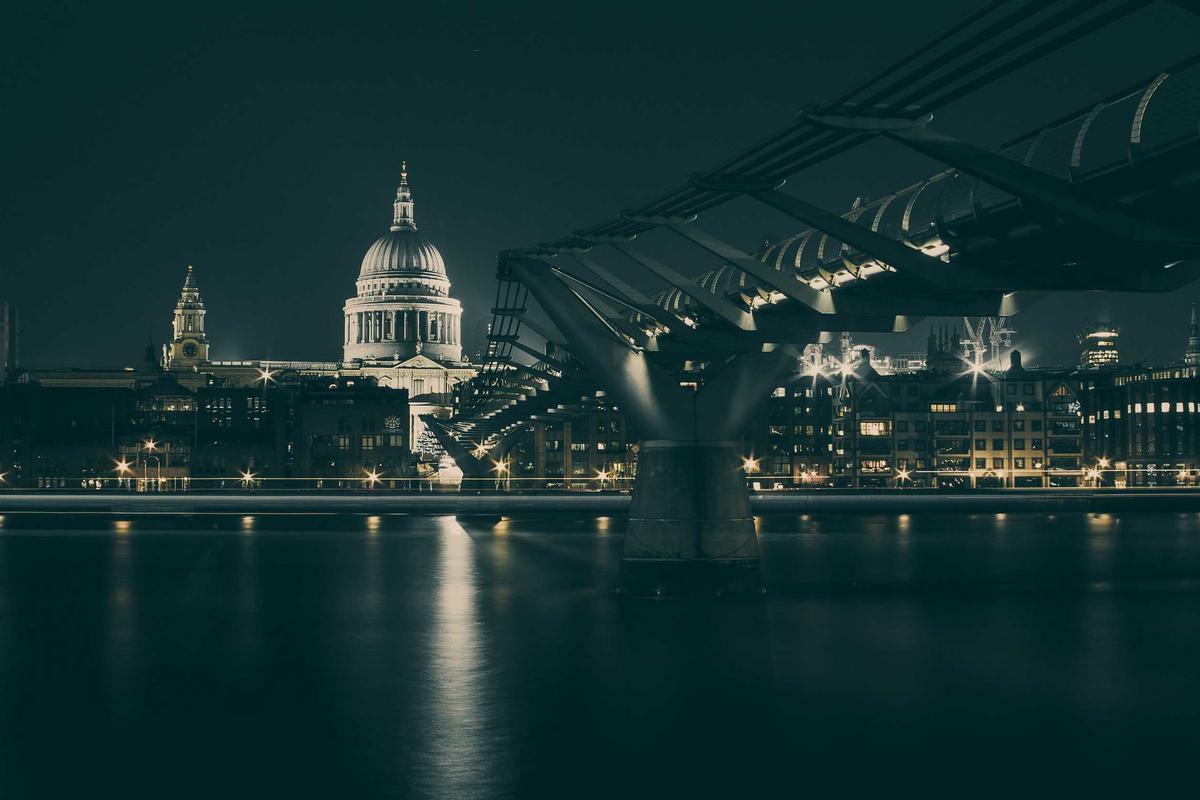
Reading Buddhadasa Bhikkhu led me to questions about how ideas of non-self and interdependence might inform our understanding of collective life. I was interested in what changes when we begin with relationships and mutual dependence, rather than treating individuals or states as self-contained units. I explored these questions in my paper, “Buddhadasa Bhikkhu’s Dhammic Socialism and Relational Politics in an Interconnected Asia,” which was accepted for presentation at WCAAS 2026. The project became a way to investigate both the possibilities and the difficulties of bringing religious thought into political discussion.
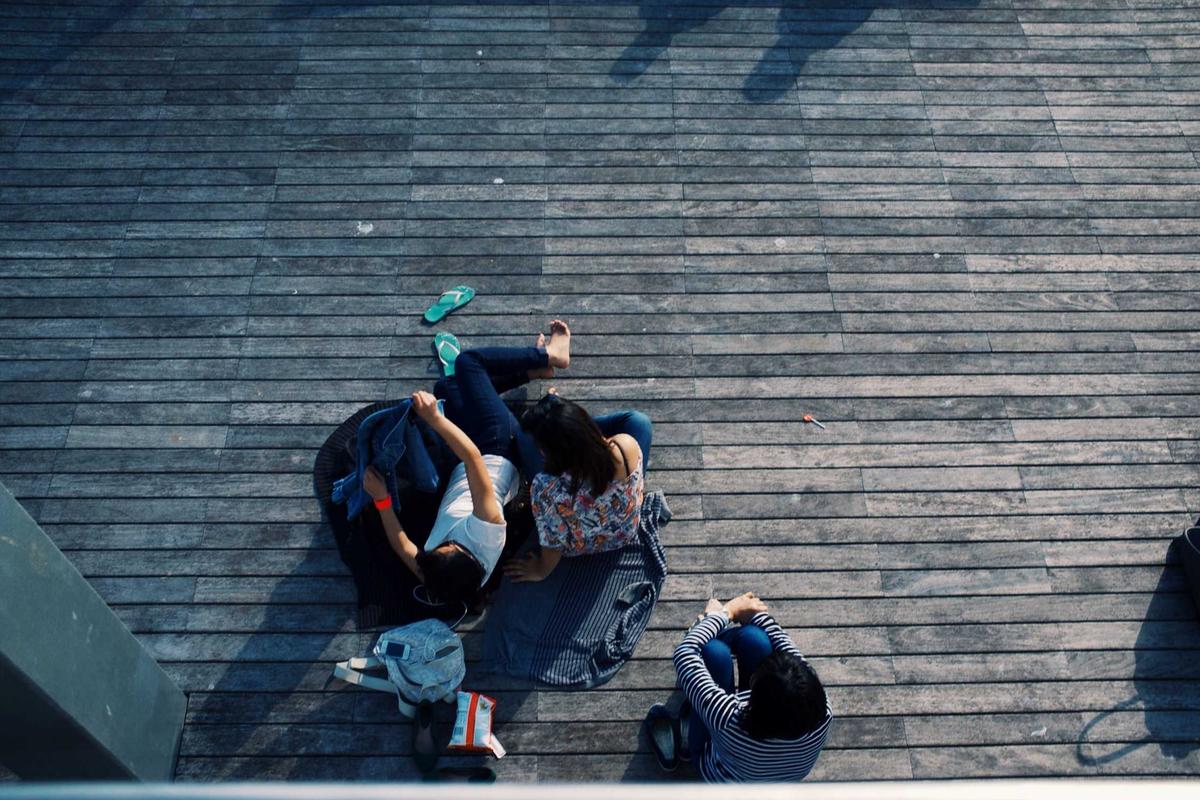
At Mount Wutai, I saw visitors argue after someone cut into a queue to pay respects to the Buddha. The encounter made me wonder whether reverence might also be expressed through consideration for the people nearby. Yet I also began to think about what visitors might be carrying with them: illness in the family, uncertainty, or a need for hope. I wanted my photography to leave room for both the questions these scenes raised and the lives behind them.
I turned my photographs into postcards, pairing them with short accounts of the temples and ideas such as non-self and interdependence. A postcard offered a small, portable way to introduce these questions beyond an academic essay. I began sharing them through a local museum as free souvenirs, and later with classmates and others. The project gave me a way to explore how an image and a few words might encourage someone to pause and consider an unfamiliar idea.
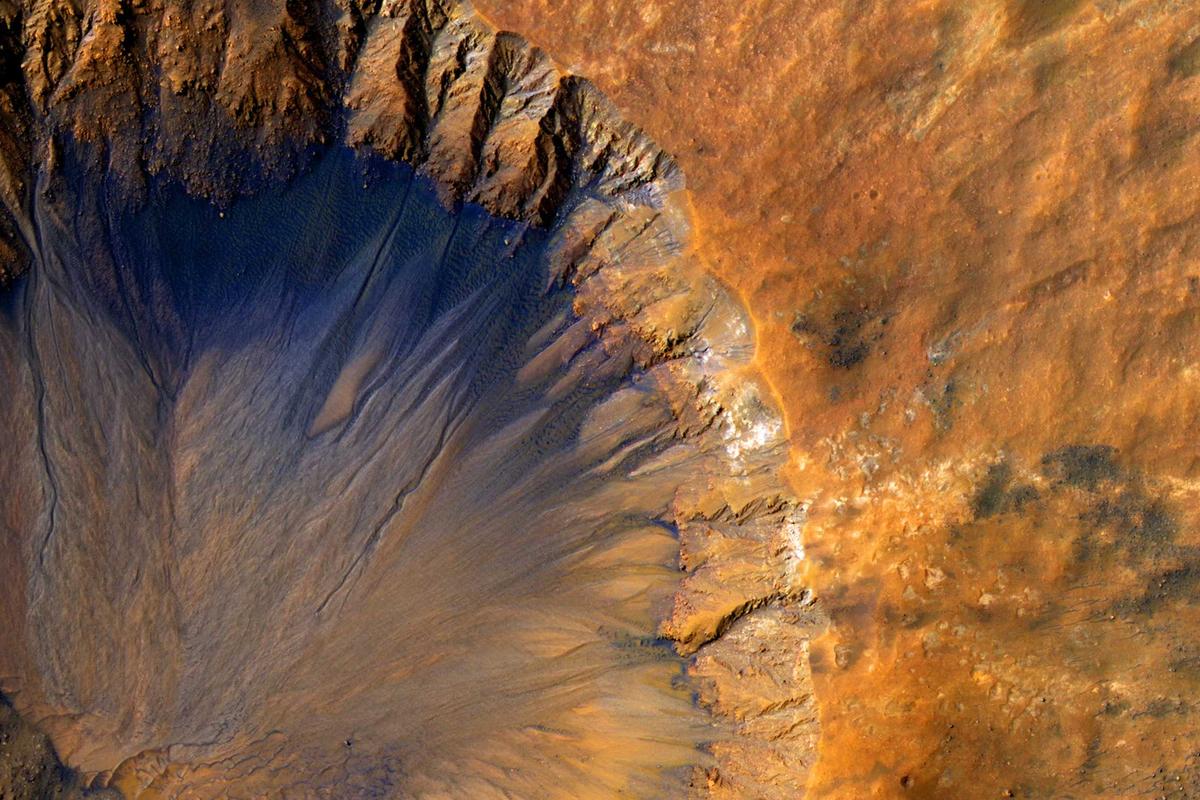
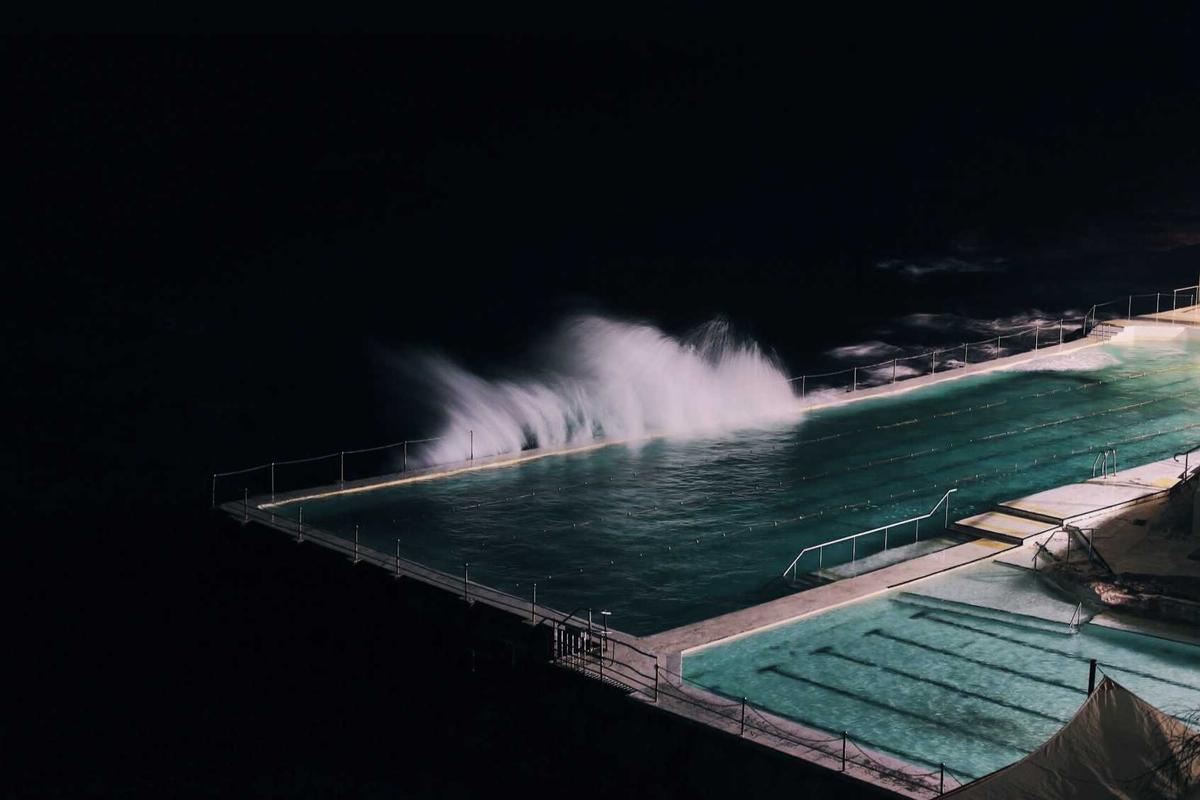
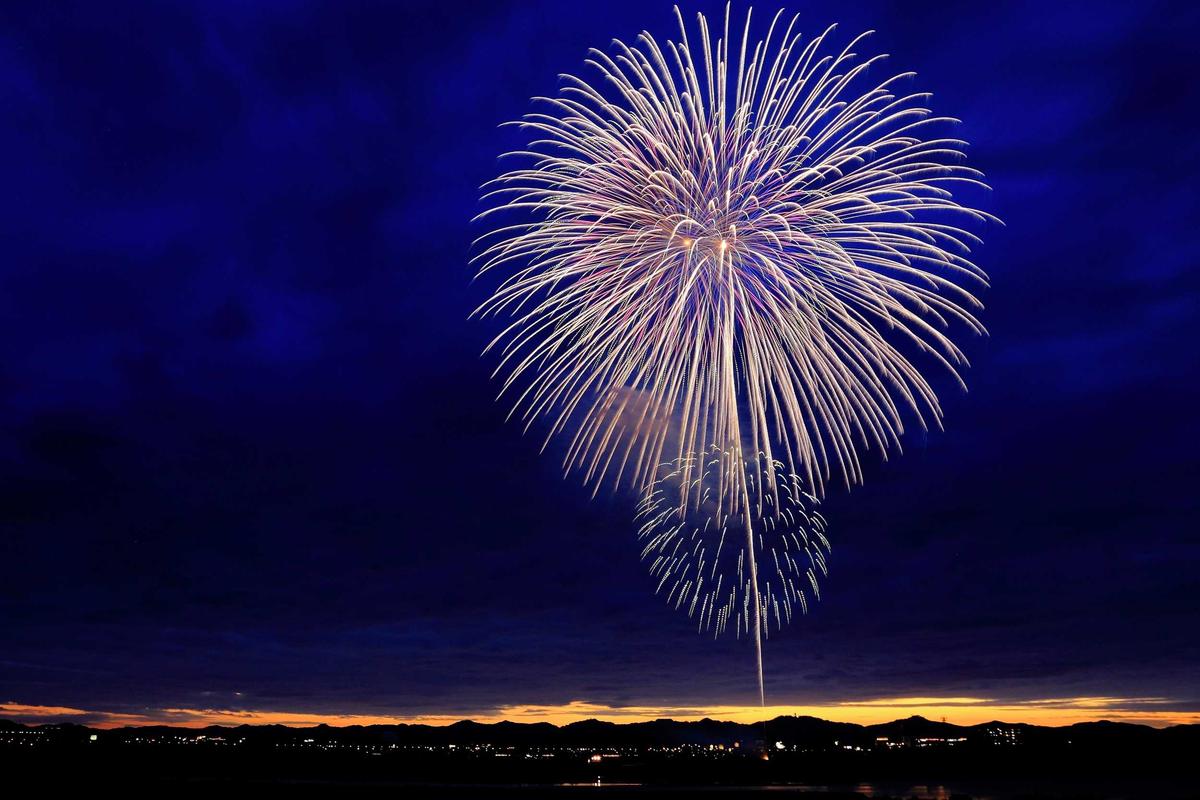
2–3 photographs with people, ritual or everyday detail — locations labeled as actually taken
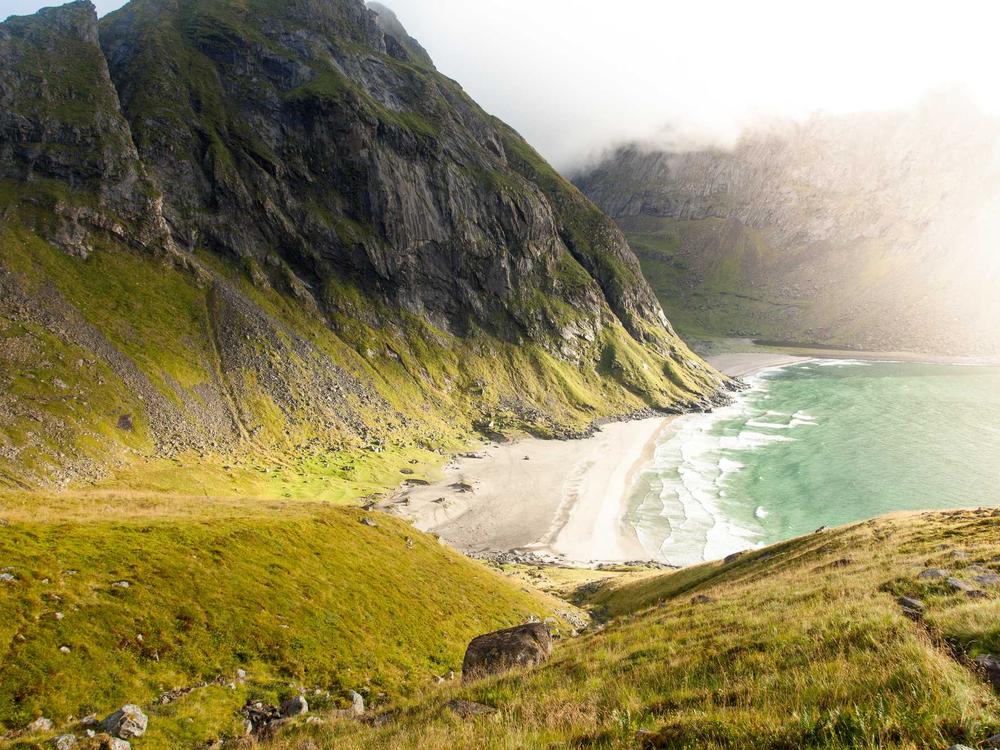
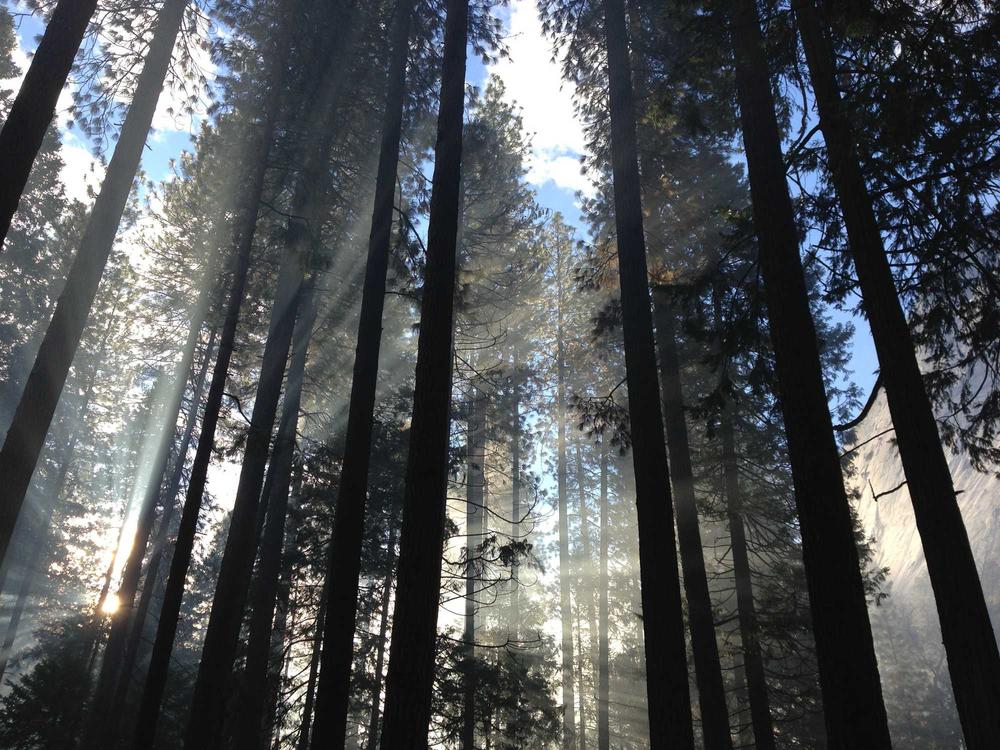
Front shows the photograph; back shows the text — e.g. 法喜寺 “莫向外求”
REFLECTION
Political philosophy and religious thought have given me different ways to examine questions that first arose through law. Rawls encourages me to reconsider the position from which I judge; my reading of Buddhist thought makes me more attentive to dependence and attachment. Photography asks something further of me: to notice people before turning their experiences into an argument. I am still exploring where these approaches illuminate one another and where their differences matter.
How might these ideas change the way I respond to the next person or problem I encounter?
A question I am still exploring